
How is ecological restoration in Flanders shaping wildlife and reshaping zoonotic risk?
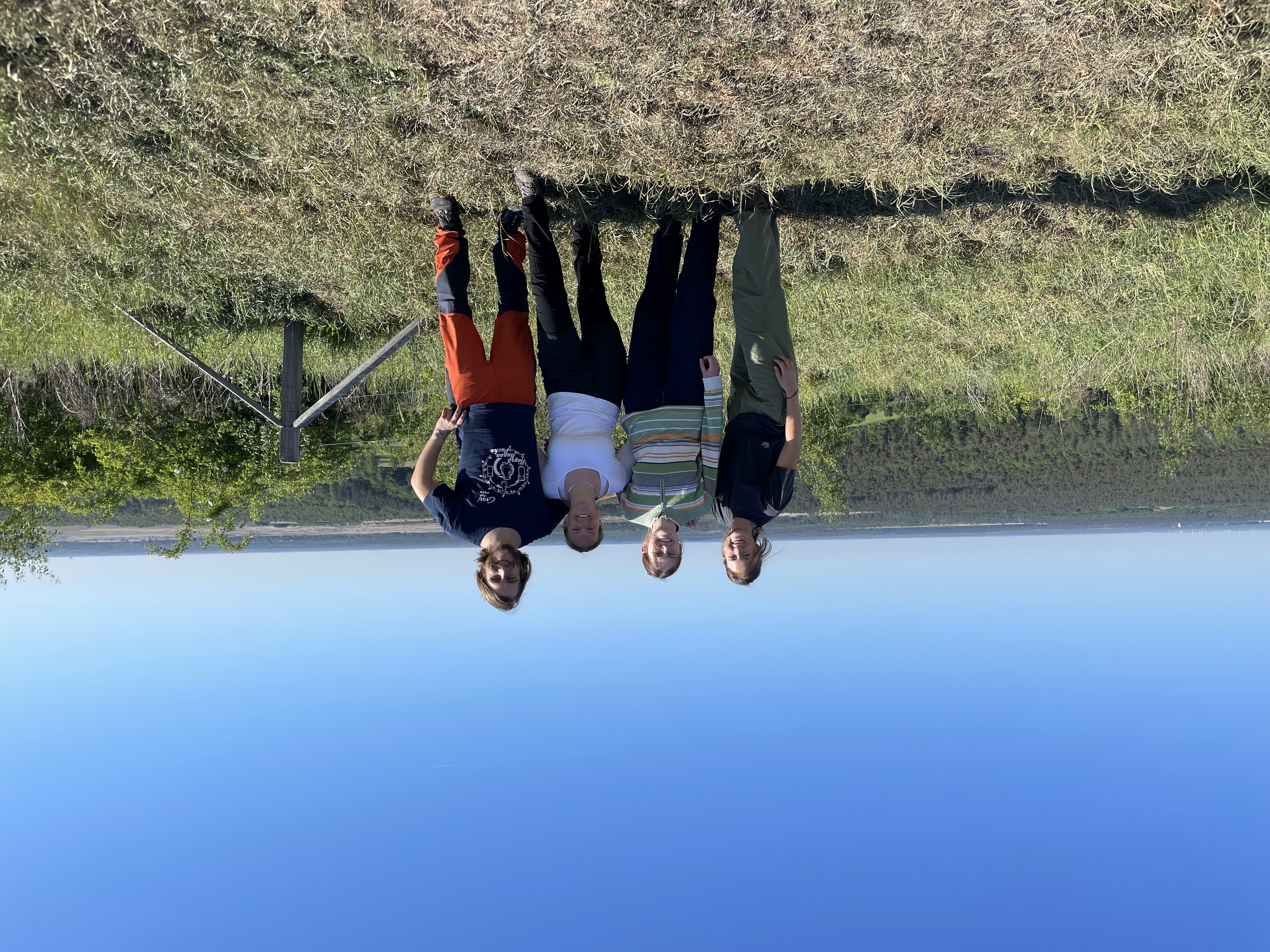
Across Flanders, former industrial landscapes are being transformed into thriving ecosystems. Terrils like Beringen (image above) and Heusden-Zolder, once steep black slag heaps from the coal-mining era, are now undergoing large-scale ecological restoration. Similarly, wetland complexes such as Kleiputten Terhagen and Walenhoek are recovering from decades of clay extraction and are slowly rewilding into species-rich habitats. Alongside these emerging ecosystems, old-growth refuges like Rielenbroek and Winkelsbroek provide a critical ecological contrast: places where forest continuity has persisted long enough for complex ecological networks to stabilise.
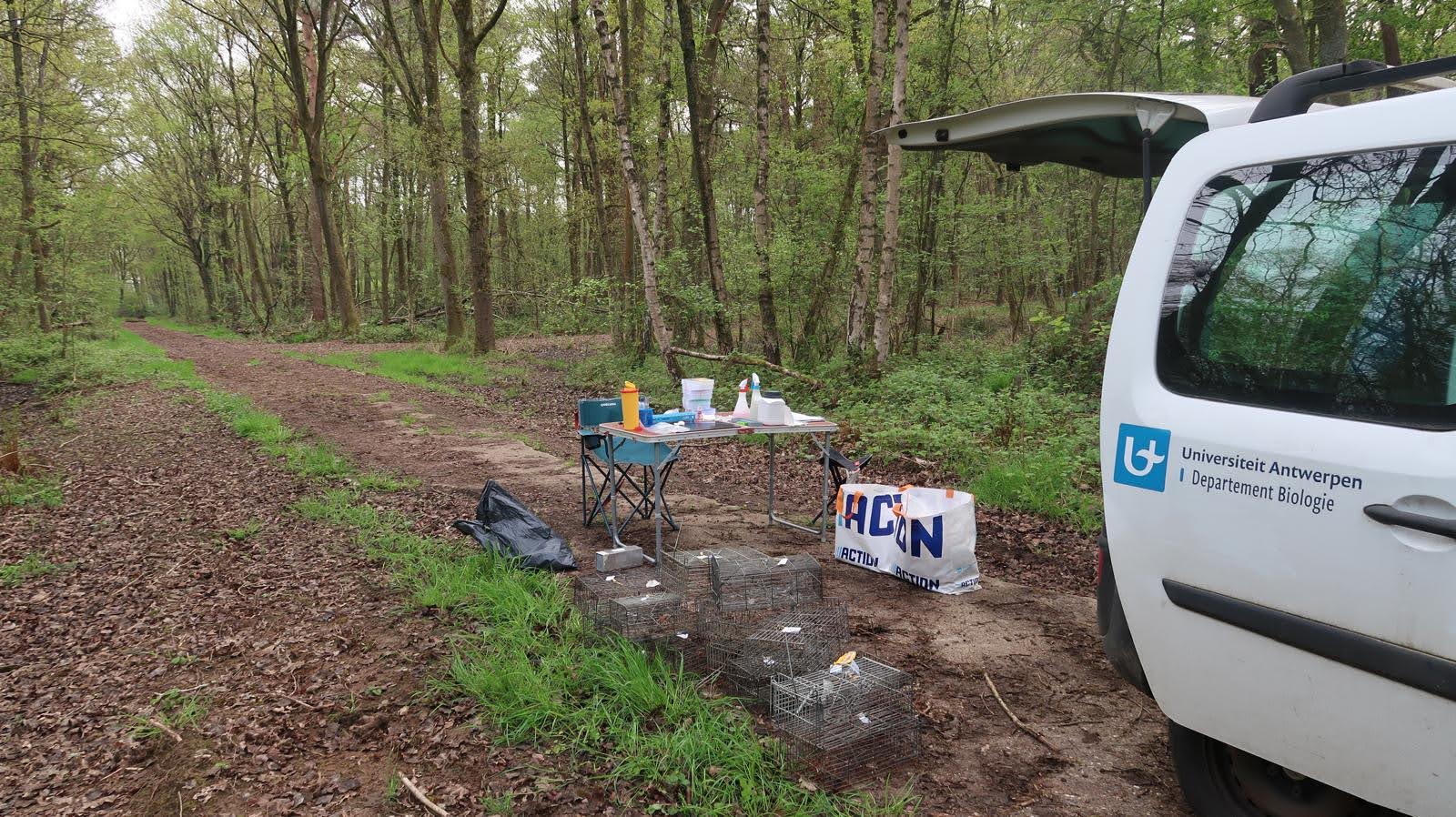
Calievallei -Rielenbroek (Zevendonk) - © Marre van de Ven
What are we doing there and why?
Within RESTOREID, our Belgium fieldwork aims to understand how restoration success and ecosystem recovery influence the dynamics of wildlife communities and zoonotic risk. Rodents are a central focus of this work: they are early colonisers of restored habitats, highly mobile, and excellent sentinels of ecosystem change. They also host ticks and a wide variety of microbes, some beneficial, others potentially pathogenic.
Our objective is not simply to detect pathogens, but to understand when, where, and why pathogen circulation intensifies in response to habitat change. Restoration can first increase structural complexity, connectivity, and food resources, which may boost rodent density and contact rates, thereby shaping exposure risk. On the other hand, diverse, stable ecosystems can also buffer pathogens through dilution effects and strong ecological regulation. By combining wildlife ecology, restoration science, and One Health, RESTOREID provides evidence of how European habitat restoration may influence zoonotic interfaces long before visible disease emergence.
How we study these landscapes: our toolkit in the field
The work in Flanders combines classical field ecology with cutting-edge environmental monitoring tools:
-
Rodent live-trapping to collect data on species community structure, health condition, pathogenic and ectoparasite load.
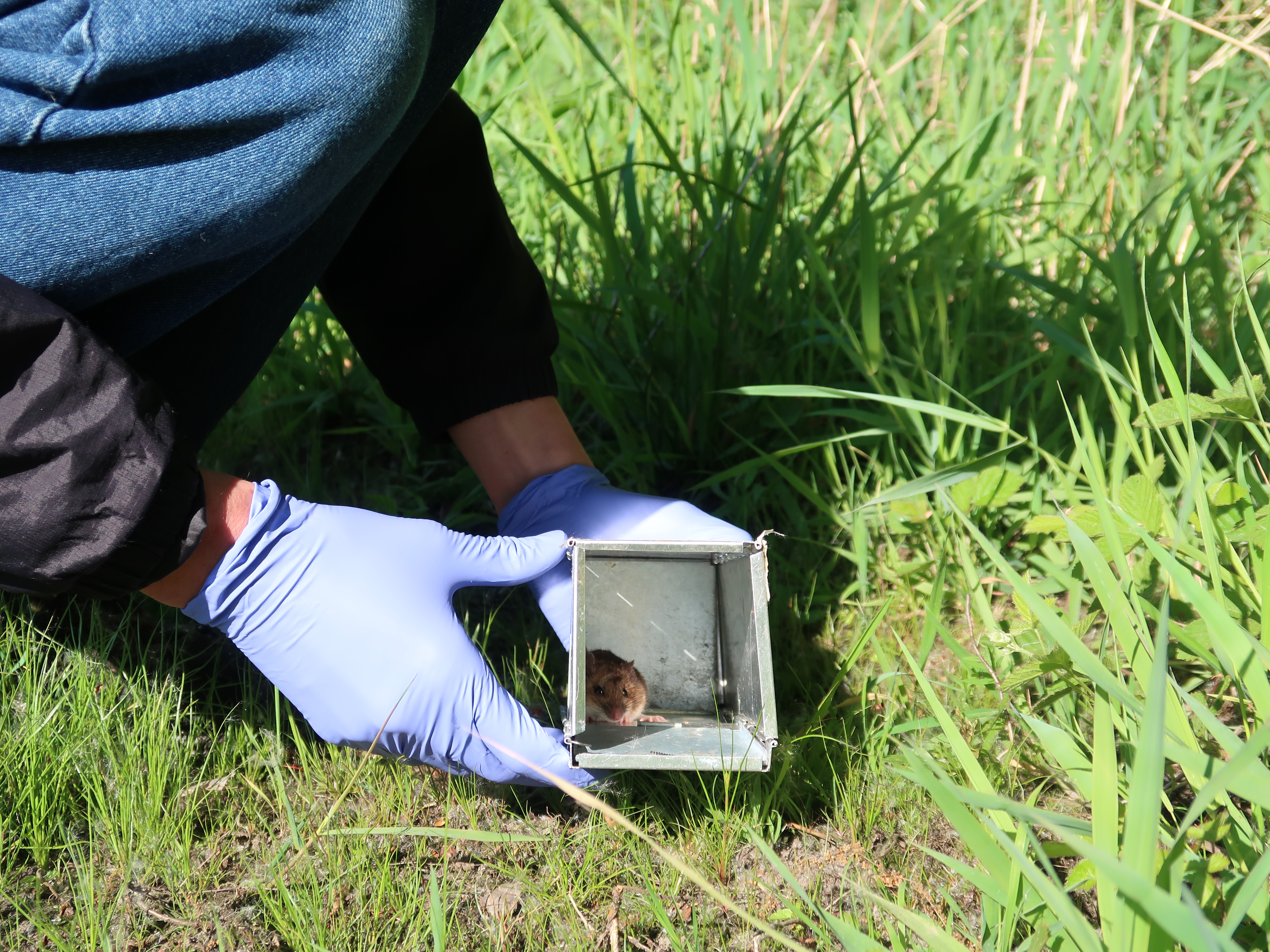
Rodent live-trapping - © Marre van de Ven
- Tick collection to test for vector-borne pathogens, such as Borrelia (Lyme disease group) and tick-borne encephalitis virus (TBE).
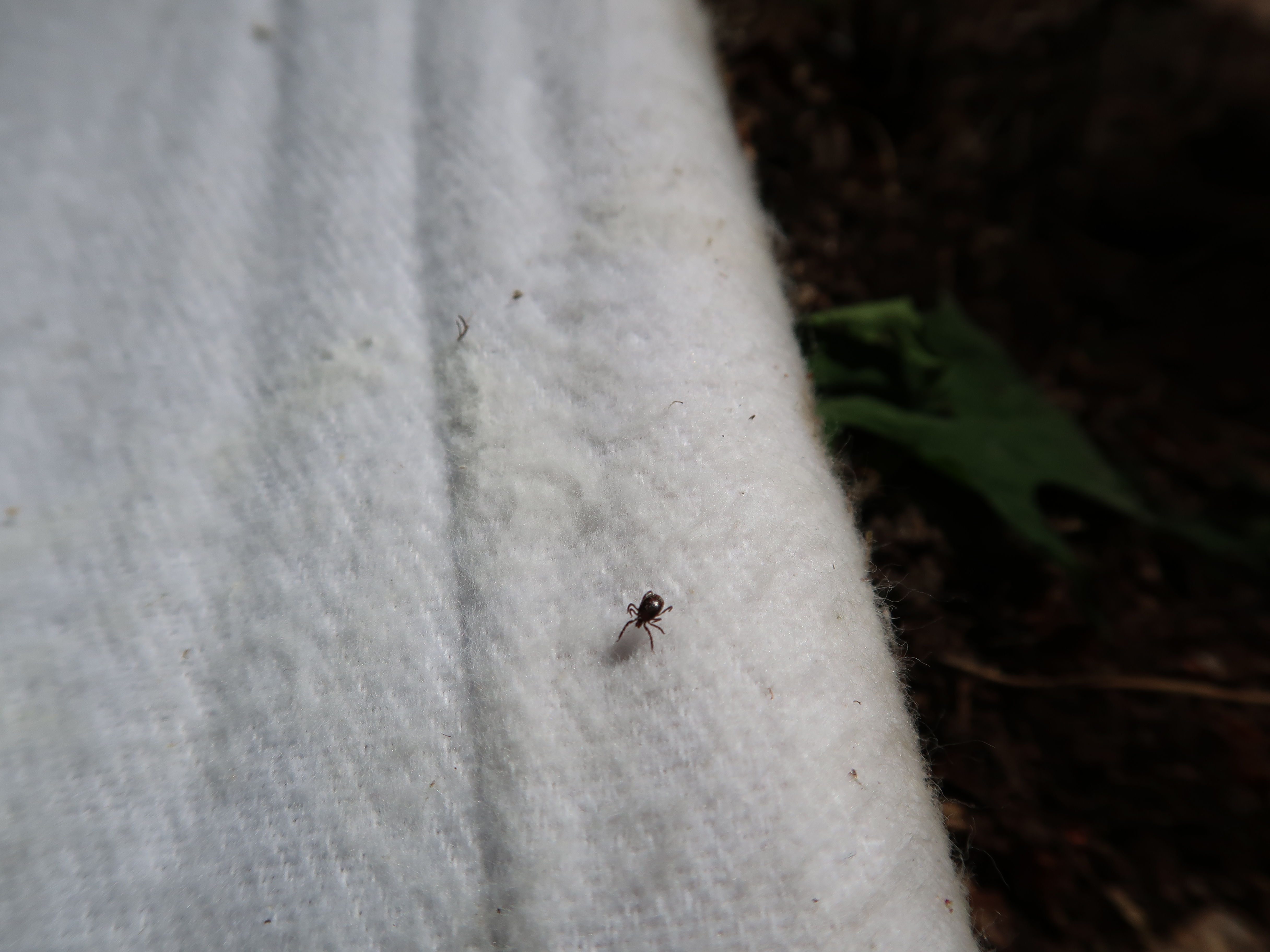
Tick collection - © Marre van de Ven
- Environmental DNA-based surveillance,
using:
- Vegetation leaf swabs to detect vertebrate biodiversity through residual genetic traces.
- Carrion flies as “flying samplers” of DNA from multiple animals.
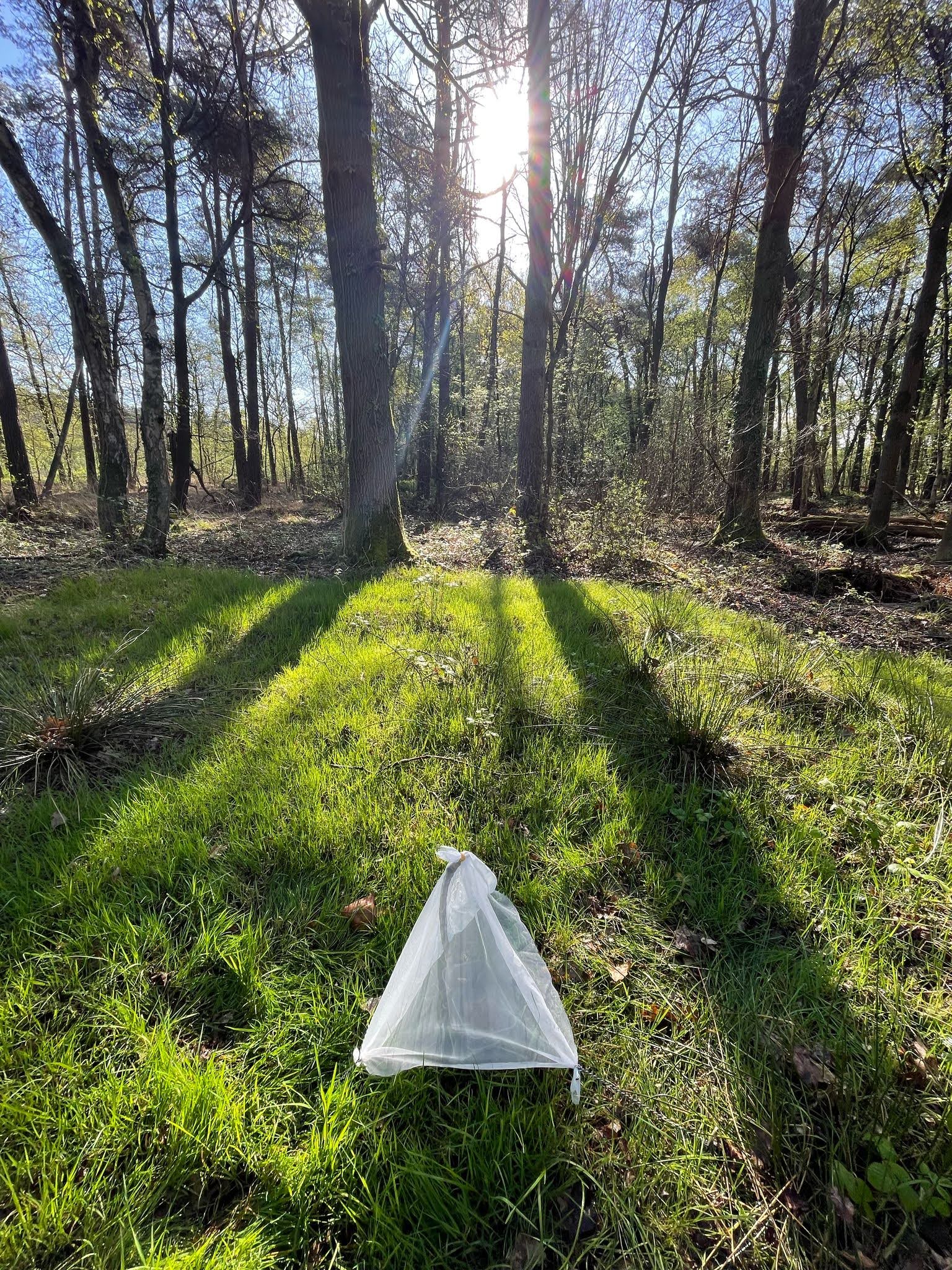
Fly trap - ©
- Passive acoustics, recording the activity of animals as an additional non-invasive biodiversity proxy.
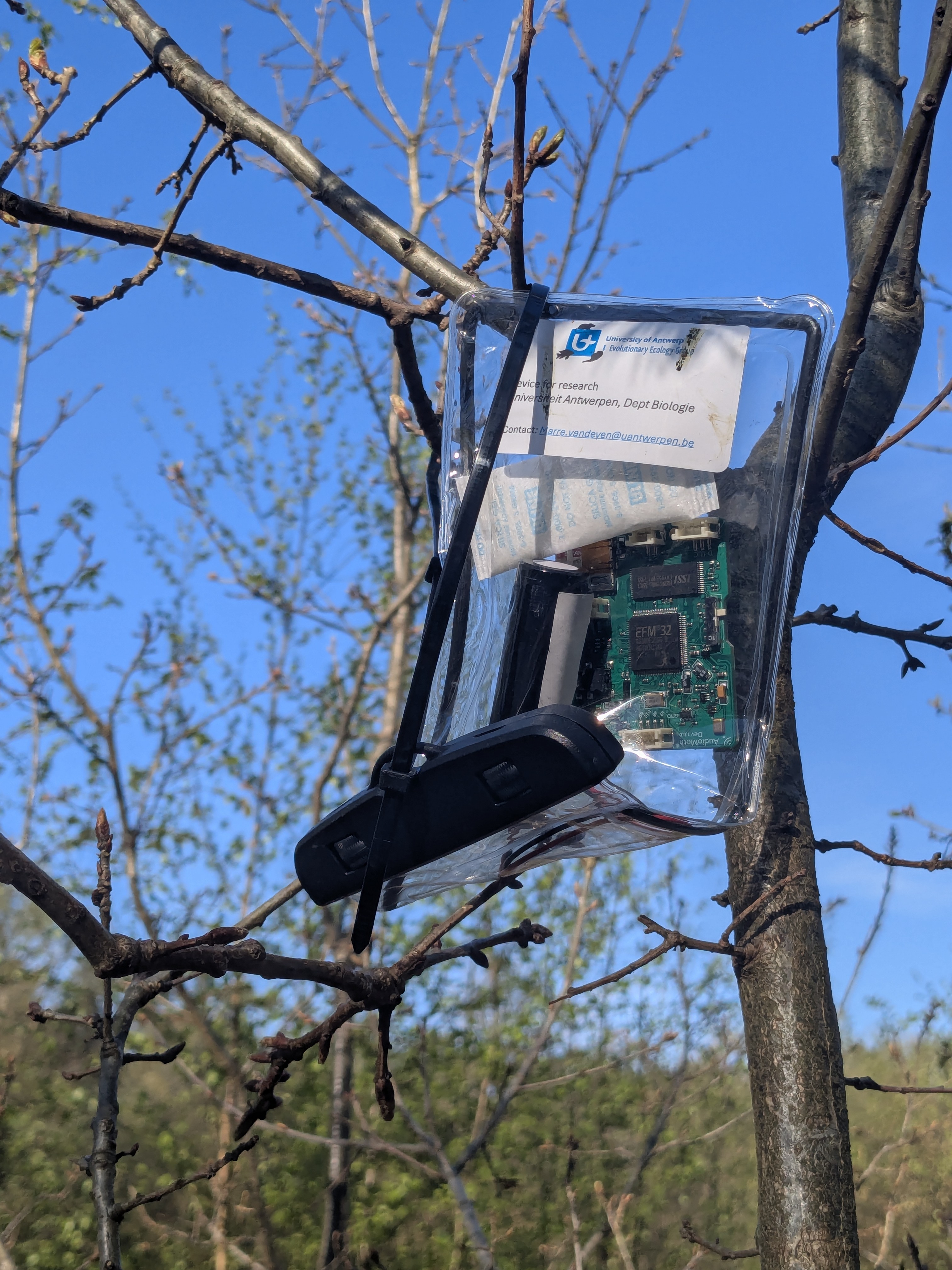
Logger - © Pauline Van Leeuwen
This toolbox allows us to monitor the ecosystem far beyond what trapping alone can reveal by capturing the hidden biodiversity and contact networks shaping pathogen ecology.
What comes next?
While the autumn fieldwork is still ongoing, the spring session is finished. Over the coming months, laboratory analyses will screen collected samples for Borrelia (responsible for Lyme disease), Tick-borne Encephalitis virus, and broader pathobiome signatures (co-infections, pathogenic microbes), while acoustic and eDNA data will help reconstruct biodiversity structure across restoration stages.
Although it is too early to draw conclusions, preliminary outputs already confirm that restoration sites are being used by wildlife typically found in forested habitats. This is a crucial ecological finding in itself, as it highlights how restoration is not a passive process but a rapid reshaping of species interactions and potentially disease interfaces over time.
The final goal is to integrate these datasets into a restoration–risk framework that shows how ecological recovery can both support biodiversity and inform early-warning indicators of zoonotic risk in Europe. By understanding when and where disease interfaces emerge, we can support restoration strategies that maximise ecological benefits without compromising public health, a crucial dimension as Europe scales up its rewilding and habitat recovery agenda.
Cover picture - © Marre van de Ven