
Biodiversa+, Water JPI and partners have published a series of policy briefs drawing on the work of 22 European research projects, shortly before EU Member States must submit their draft National Restoration Plans to the European Commission by 1 September 2026. The briefs translate a decade of restoration science, policy recommendations and practical experience into phased guidance linked to the articles of the EU Nature Restoration Regulation and the requirements of the National Restoration Plan
Blogs, News & Events
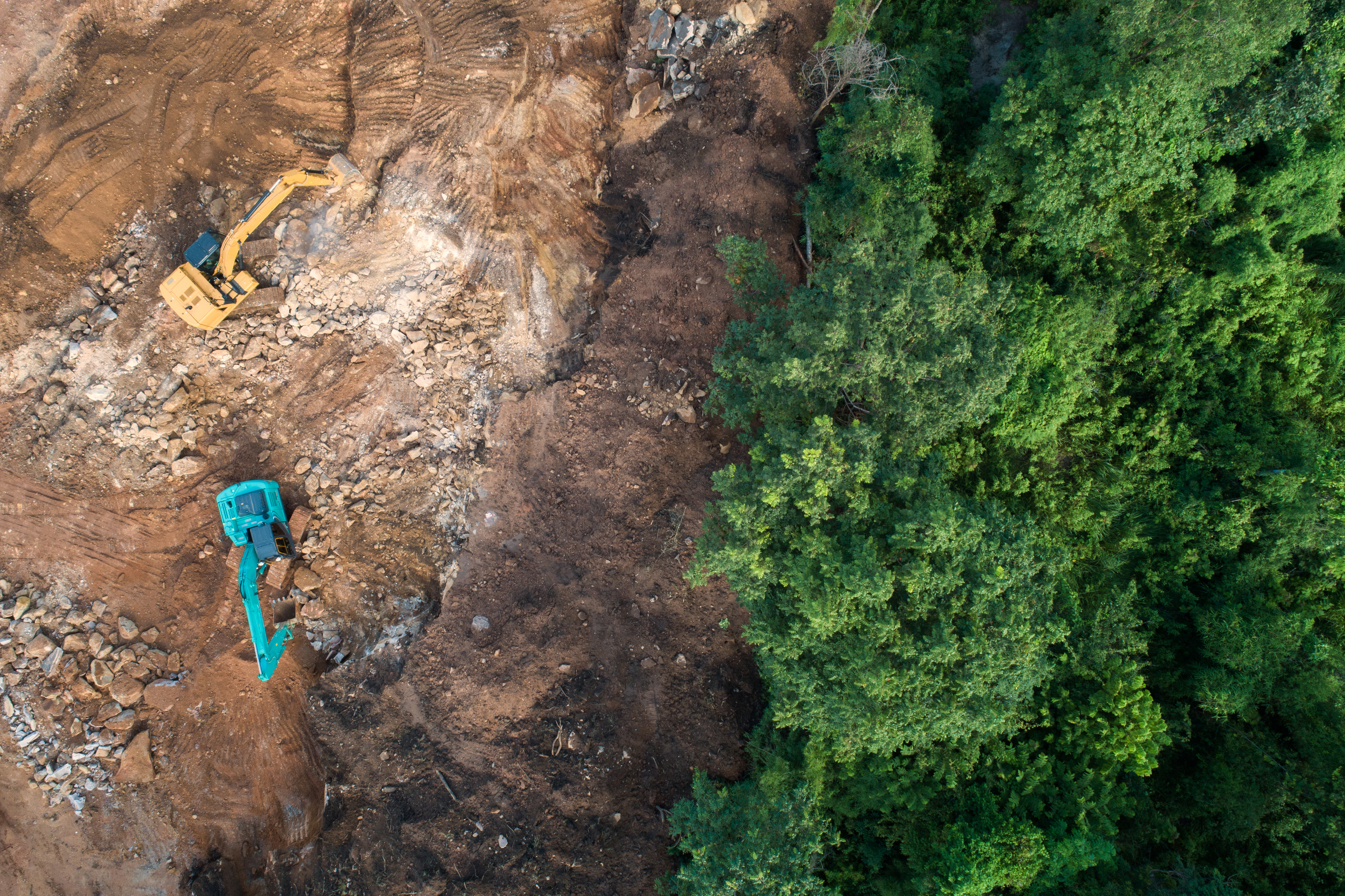
Nature Restoration: The Science Is Ready. Are Member States?
Read more
RESTOREID 2nd Annual Meeting Newsletter (Updates from 2025 and plans for 2026)
Read more
About a month ago, the RESTOREID consortium came together for our Annual Meeting. Two days of sharing, reflecting, and planning, that marked an important milestone: The project's halfway point.
Here’s an overview of where we stand and what comes next!
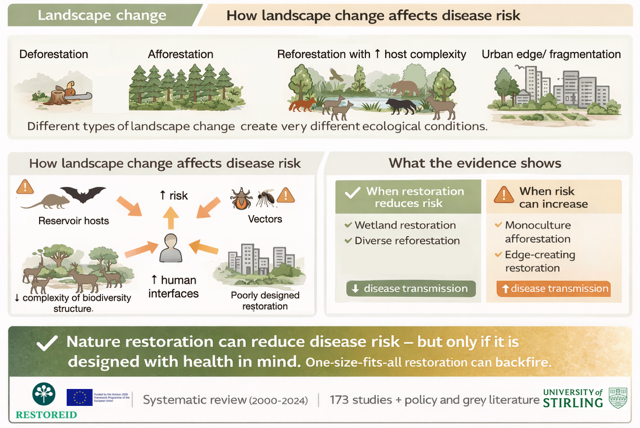
When nature restoration reduces disease risk and when it doesn’t
Read more
Nature restoration is increasingly seen as a win–win solution: restoring biodiversity, tackling climate change, and improving human health simultaneously. Across Europe, ambitious restoration targets are being rolled out through national strategies and the EU Nature Restoration Law. But does restoring nature always reduce the risk of infectious diseases?
A new study published in Nature Sustainability by the team from the University of Stirling and Alternet suggests the answer is more nuanced.
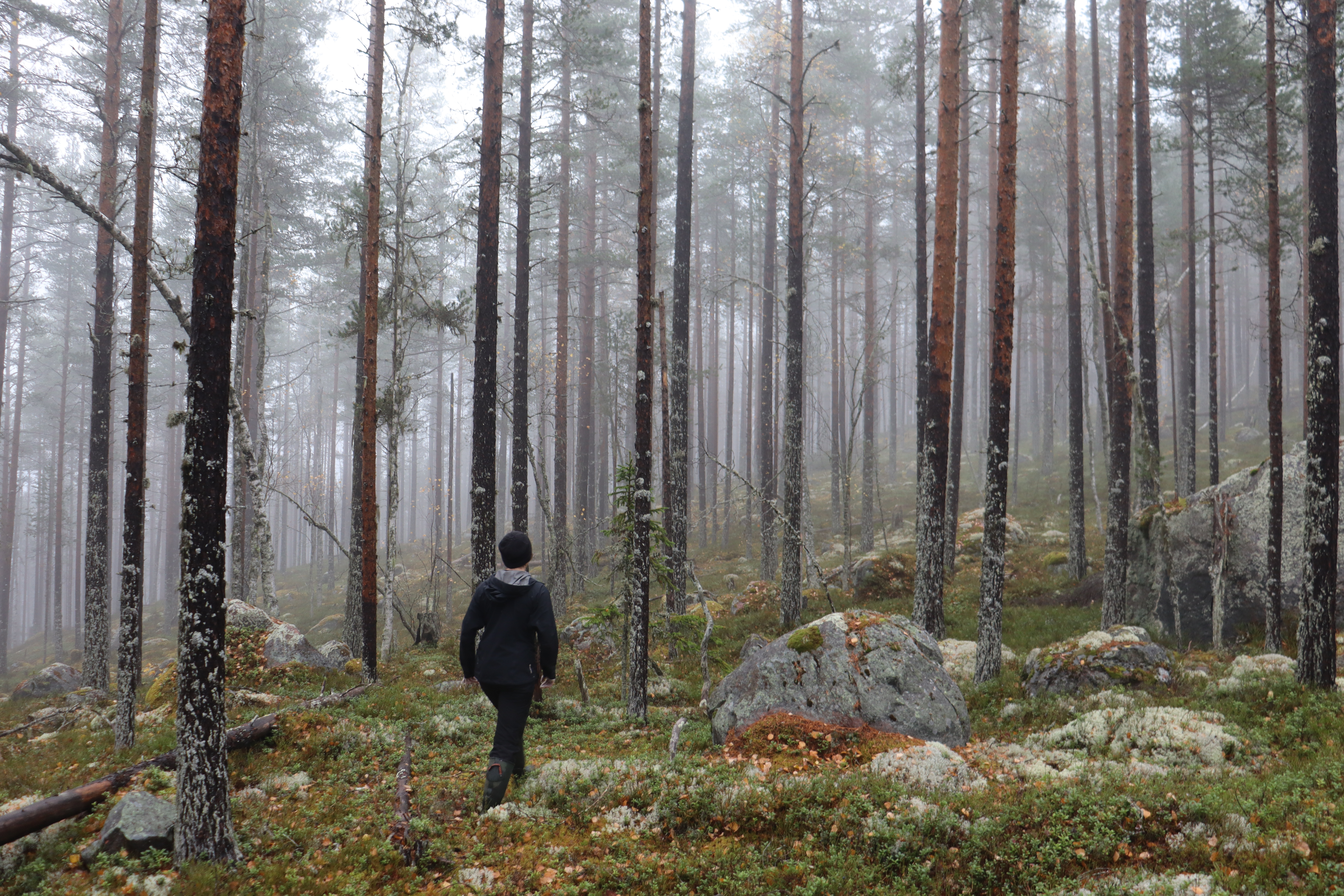
Inside Sweden’s Forests: Restoration, Wildlife, and Hidden Disease Risks
Read more
With forests covering more than two-thirds of the country, Sweden is among the most forested countries in the world. Forests are integral to Swedish identity and culture, as exemplified by Allemansrätten (the right to public access), which allows anyone to explore, wander, and forage in forests, while emphasising a shared responsibility for their care. At the same time, forestry is a key part of the Swedish economy. Sweden is a world-leading exporter of pulp, paper, and timber. As a result, very few forests remain unmanaged today. If you look at Sweden from above, the near-continuous forest cover that once existed now looks more like a patchwork of even-aged forest stands, often dominated by one or two tree species.
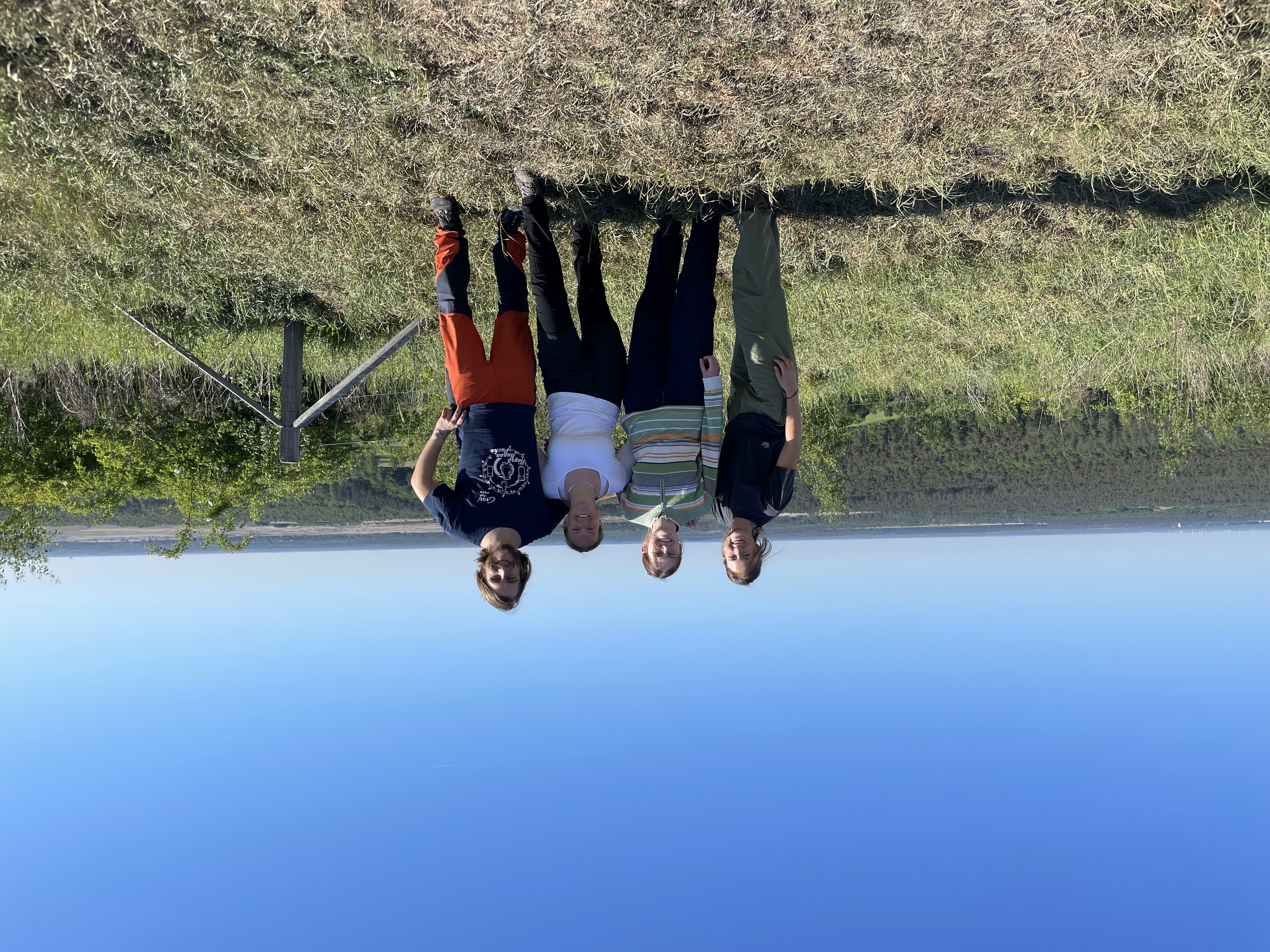
How is ecological restoration in Flanders shaping wildlife and reshaping zoonotic risk?
Read more
Across Flanders, former industrial landscapes are being transformed into thriving ecosystems. Terrils like Beringen (image above) and Heusden-Zolder, once steep black slag heaps from the coal-mining era, are now undergoing large-scale ecological restoration. Similarly, wetland complexes such as Kleiputten Terhagen and Walenhoek are recovering from decades of clay extraction and are slowly rewilding into species-rich habitats. Alongside these emerging ecosystems, old-growth refuges like Rielenbroek and Winkelsbroek provide a critical ecological contrast: places where forest continuity has persisted long enough for complex ecological networks to stabilise.
RESTOREID Newsletter – November 2025 Edition
Read more
As 2025 draws to a close, RESTOREID reaches an exciting milestone: the halfway point of our journey! It’s the perfect moment to look back at what we’ve achieved and how we’re shaping new approaches to understanding the link between ecosystem restoration, biodiversity, and disease prevention.
From cutting-edge science to creative engagement tools, here’s what we’ve been up to!
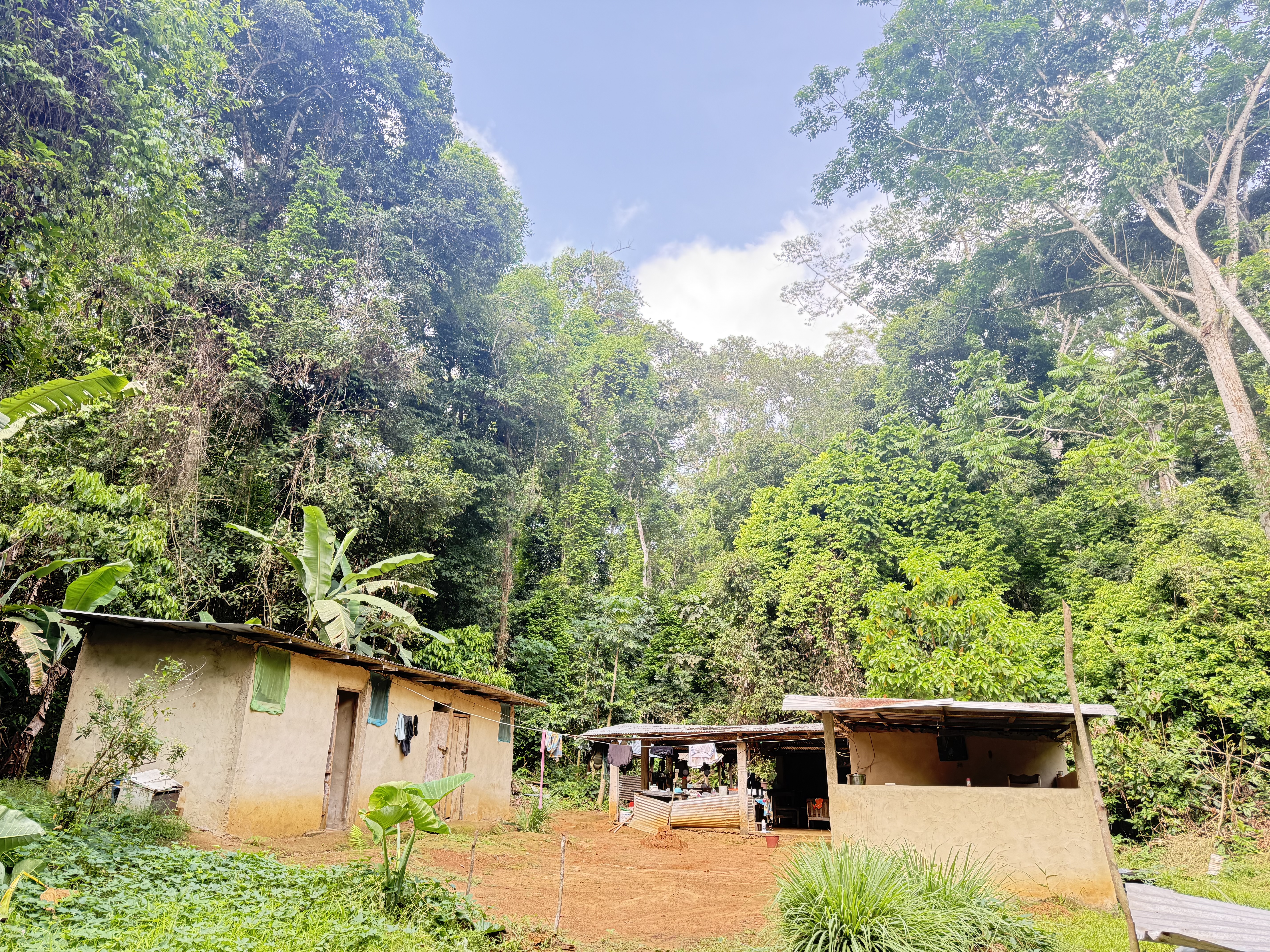
Field Diaries: Tracking Mosquitoes, DNA, and Biodiversity in Côte d’Ivoire
Read more
One of five different camps at the Taï National Park Fieldsite © Dimov/HIOH
In the lush Afrotropical rainforests of Côte d’Ivoire, a team from the Helmholtz Institute for One Health (HIOH) is investigating how restoring tropical forests can influence biodiversity—and, ultimately, reduce the risk of zoonotic diseases spreading from animals to humans.
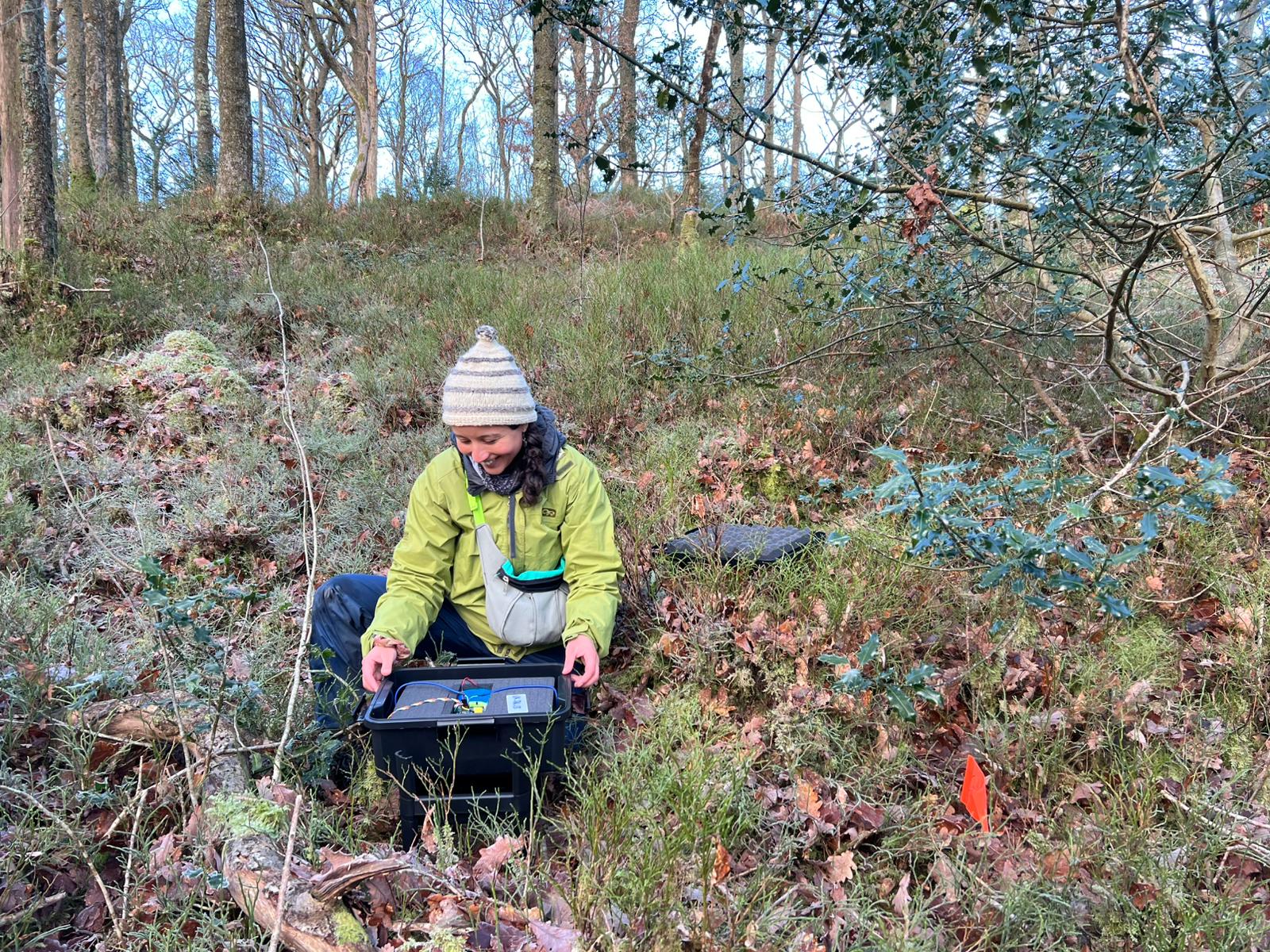
Tracking the Secret Lives of Scotland’s Woodland Rodents
Read more
In this new field blog, RESTOREID researcher Maria José López Jara takes us into the Scottish woodlands, where the RESTOREID team is studying wild rodents and the viruses they carry. By combining restoration ecology with wildlife health research, their work explores how forest age and connectivity influence animal behaviour, disease dynamics, and ultimately the relationship between ecosystem restoration and human well-being.
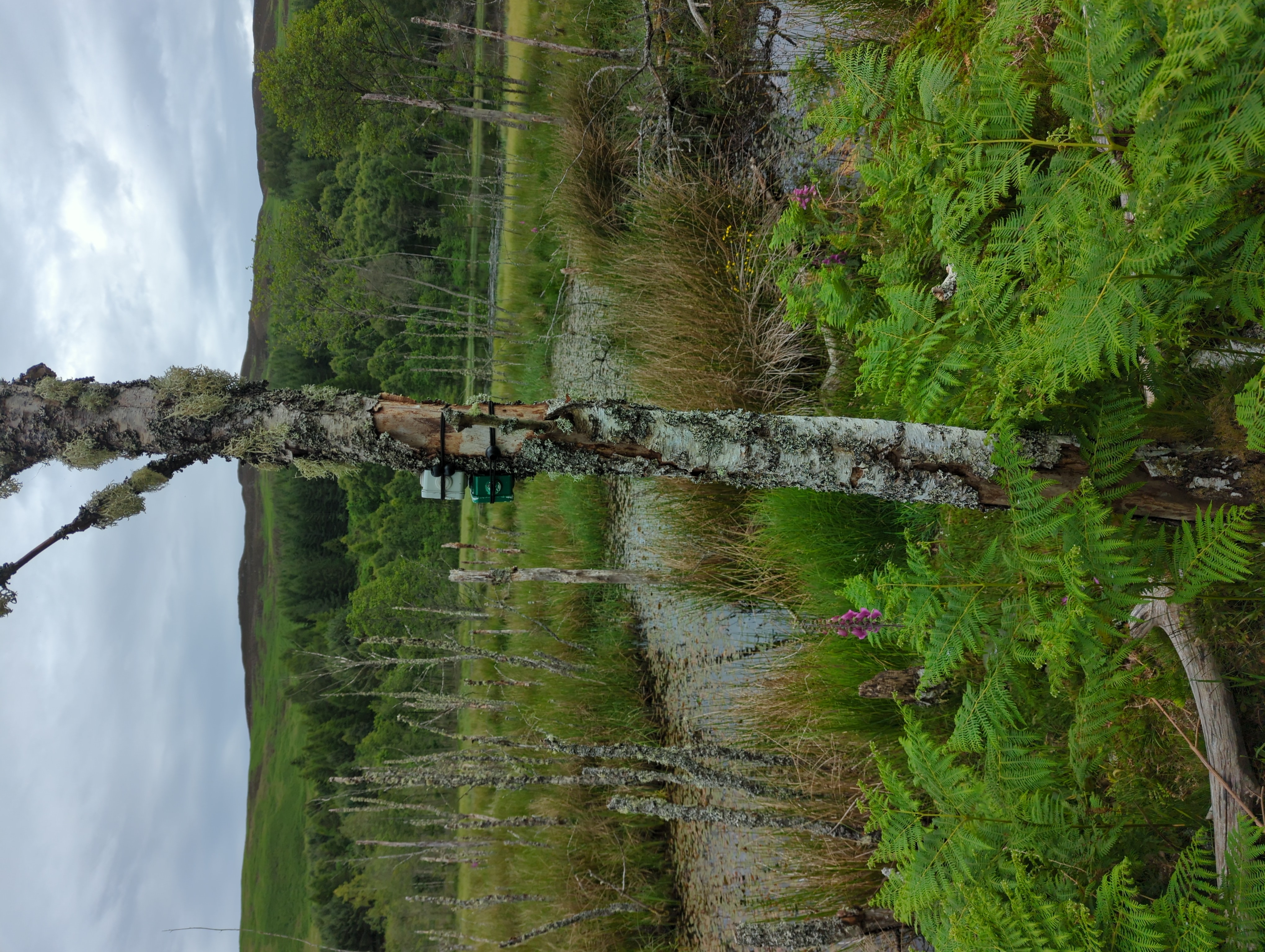
Fieldwork for RESTOREID in Scotland
Read more
In spring 2024, the Scottish RESTOREID field team, with staff and students from the Universities of Stirling and Glasgow began fieldwork to deploy rapid biodiversity and pathogen assessments.
Special Joint Newsletter
Read more
As part of the Horizon Europe HORIZON-CL6-2023-BIODIV-01-17 call, several EU-funded projects—including RESTOREID and ZOE Project Horizon Europe— as well as the Alternet Association, have joined forces to explore how a future Knowledge Exchange Network (KEN) can best serve stakeholders working at the interface of biodiversity, restoration, and zoonotic disease prevention.
The first step? Listening to you.
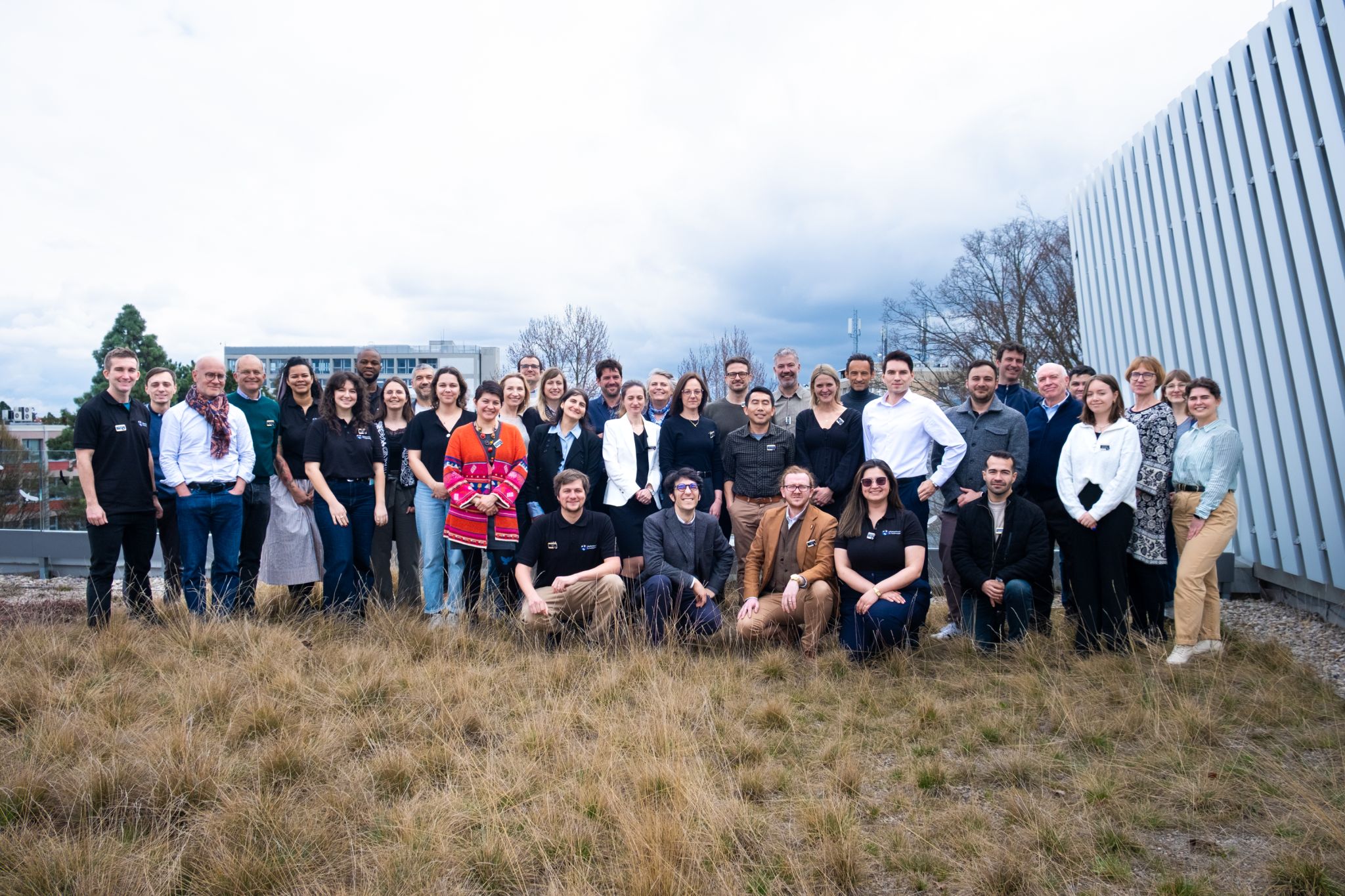
Financing Nature, Restoring Balance: How BIO-CAPITAL and RESTOREID Are Connecting Biodiversity, Economy, and Health
Read more
Interview conducted by Diego Ibánez (RESTOREID) and adapted for blog post by Thomas Stollenwerk (BIO-CAPITAL). Originally published on Bio-capital.eu
BIO-CAPITAL is not the only Horizon Europe project exploring the links between biodiversity and society. While BIO-CAPITAL develops innovative financing models for biodiversity conservation, RESTOREID focuses on the link between ecosystem restoration and disease prevention.
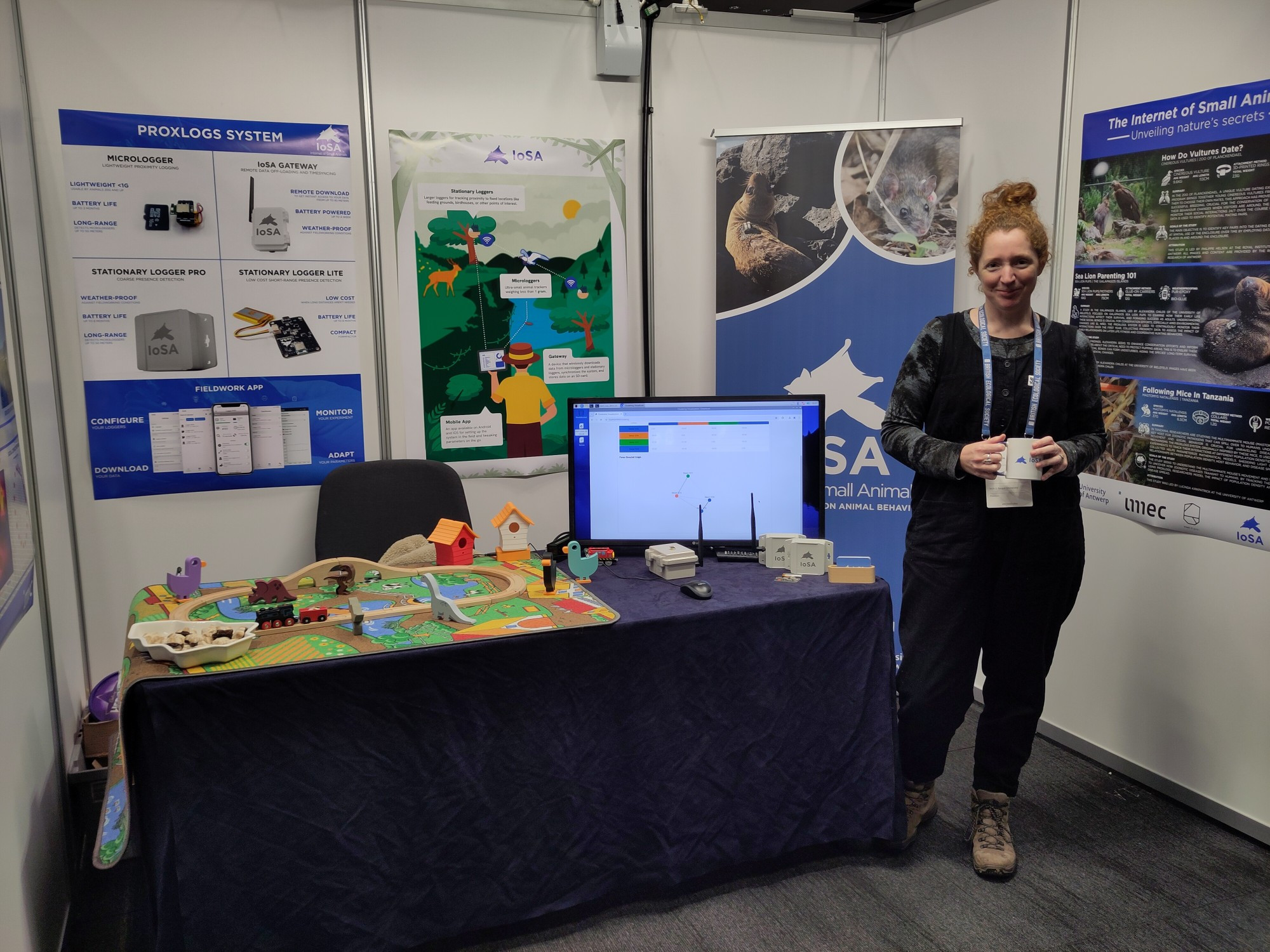
“If restoration isn't done properly, it could be problematic.” - An interview with Lucinda Kirkpatrick by BIO-CAPITAL
Read more
Interview and blog post adaptation by Thomas Stollenwerk (BIO-CAPITAL). Originally published on Bio-capital.eu
The RESTOREID project aims to understand the links between biodiversity, restoration, and disease spillover. Lucinda Kirkpatrick is the coordinator of the EU-funded initiative and a Lecturer at the University of Bangor. She met with Thomas Stollenwerk (Oikoplus) online and gave him a fascinating insight into the project work.
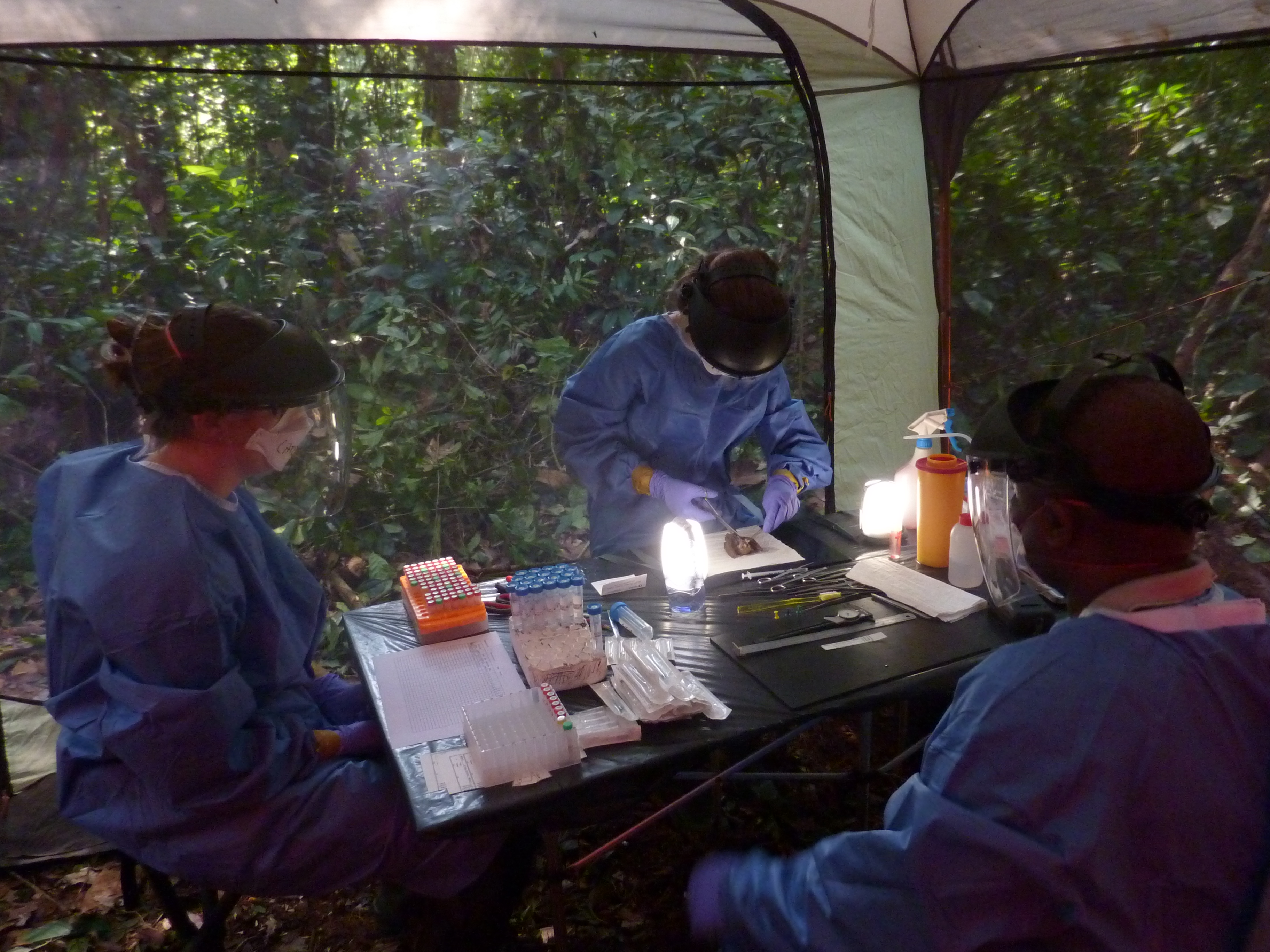
Exploring the effects of ecosystem restoration on zoonotic disease risk in the Yangambi Biosphere Reserve, DR Congo
Read more
by Cato Vangenechten
In May and June 2024, a team from the University of Antwerp, together with local partners from the University of Kisangani and the Centre du Surveillance de la Biodiversité, embarked on a fieldwork mission to the Yangambi Biosphere Reserve as part of the RESTOREID project. Our goal? To investigate how healthier environments, shaped through landscape restoration, can help mitigate the risk of zoonotic diseases.