RESTOREID Newsletter – November 2025 Edition
As 2025 draws to a close, RESTOREID reaches an exciting milestone: the halfway point of our journey! It’s the perfect moment to look back at what we’ve achieved and how we’re shaping new approaches to understanding the link between ecosystem restoration, biodiversity, and disease prevention.
From cutting-edge science to creative engagement tools, here’s what we’ve been up to!
Playing for Restoration: Meet the “RESTORE IT!” Game
Who said science can’t be fun?
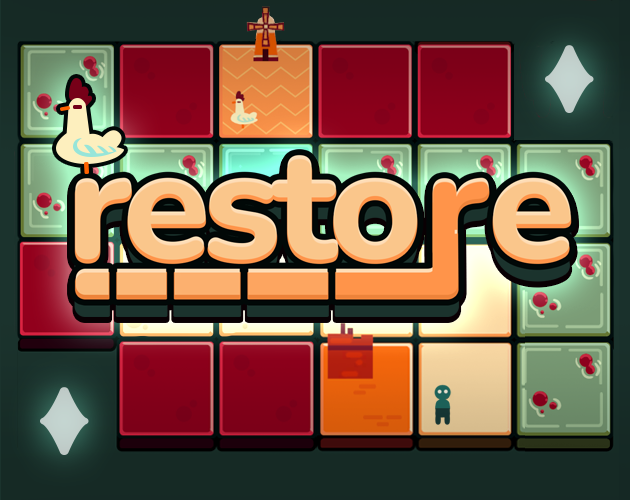
Our new mobile game, RESTORE IT!, turns complex restoration challenges into an interactive experience. Players manage their own ecosystem, balancing goals like biodiversity recovery, disease prevention, and local livelihoods.
But the game is more than entertainment — it’s also a research tool. As players make decisions, the game (with consent) collects anonymised data that helps our scientists understand how people think about restoration trade-offs in real-world contexts.
You can play it yourself and help science grow: 👉 Try RESTORE IT! (by GLITCHERS, Nils Bunnefeld, A. Bradley Duthie ) And don’t forget to tell us what you think!
Understanding What We Know (and Don’t): Our Literature and Policy Reviews
It is not all games and fun in RESTOREID. We have also been putting our noses to the grindstone, diving deep into existing research and policies to understand how restoration affects the risk of diseases jumping between animals and humans — and where the knowledge gaps still lie.
Literature Review
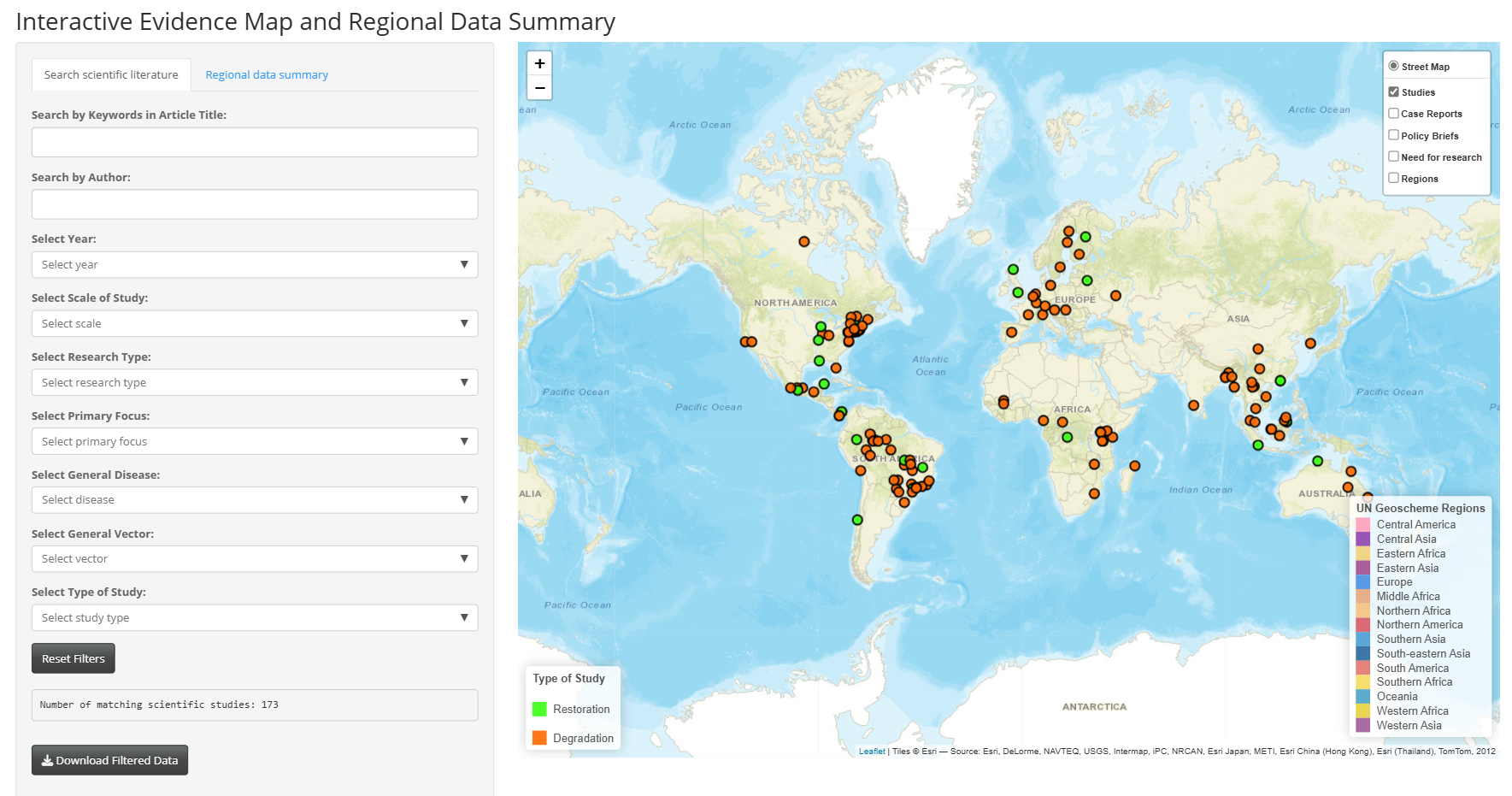
Our systematic review reveals that while there’s a wealth of data on land-use change and disease, very few studies directly explore how restoration influences disease risks. Some regions are underrepresented, and reporting is often inconsistent.
To make this knowledge more accessible, one of our partners from the University of Stirling, Adam Fell, built a Living Evidence Atlas — an interactive online tool where anyone can explore and update findings as new research emerges. It’s a practical step toward more data-driven restoration and One Health policymaking.
Policy Review
Our policy analysis looked at over 30 national and international restoration strategies, and found a common blind spot: most don’t consider the possible health implications of restoration, such as increased human–wildlife contact or disease spillovers.
The takeaway? Restoration policies need to be more integrated and health-aware, ensuring they protect both ecosystems and communities. Our findings offer actionable recommendations for policymakers to make restoration safe, inclusive, and equitable. Stay tuned! We plan on releasing our first policy recommendation by the end of the year.
Innovation in Action: New Tools for Biodiversity and Pathogen Detection
RESTOREID is also pushing scientific boundaries with novel tools to better understand how ecosystems and diseases interact.
- CRISPR-based metagenomic assay: We’re pioneering a low-cost, high-precision tool for detecting a wide range of pathogens, from viruses to fungi, in environmental samples. This approach helps us see how biodiversity and disease dynamics shift as landscapes change.
- Rapid biodiversity assessment protocols: Our teams are developing acoustic soundscaping and eDNA sampling methods (yes, even using carrion flies!) to monitor biodiversity efficiently. These open-access protocols are freely available on protocols.io, ensuring our tools benefit restoration projects everywhere.
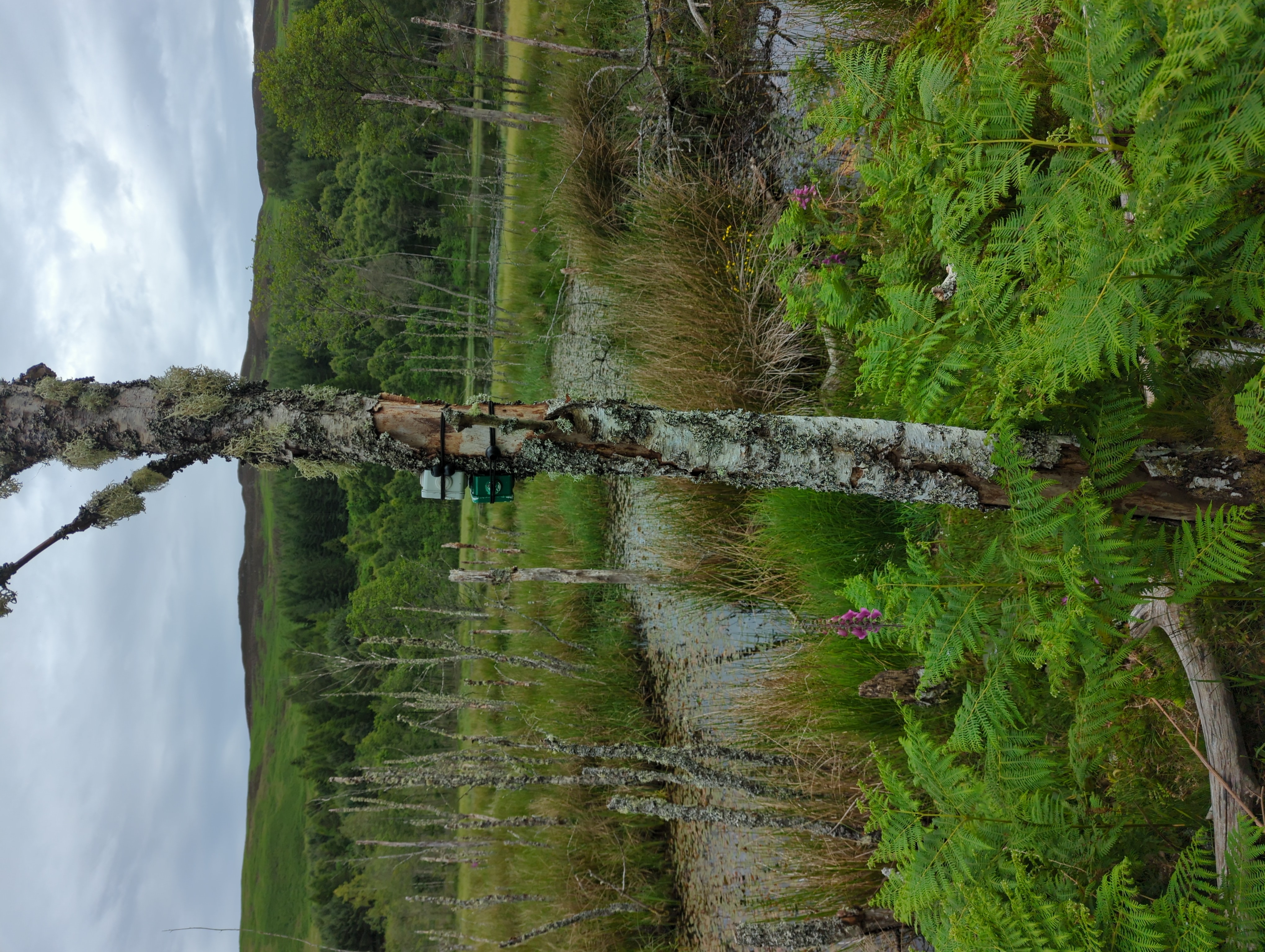
Audiomoth device deployed at a wetland site in Scotland
Building Bridges: Connecting Science, Policy, and Practice
RESTOREID isn’t just about research: it’s about real-world impact.
Through webinars, networks, and international events, we’re connecting scientists, policymakers, and restoration practitioners to tackle shared challenges. These exchanges are helping to shape inclusive, data-driven, and resilient restoration practices across sectors.
We also launched a new Initiative Library, a growing collection of existing platforms, tools, and networks, including ZOE’s webmap and BioAgora’s Knowledge Exchange Network, all in one searchable space.
Explore it here 👉 Initiative Library | RESTOREID. And if you know of an initiative that belongs there, get in touch and help us expand it!
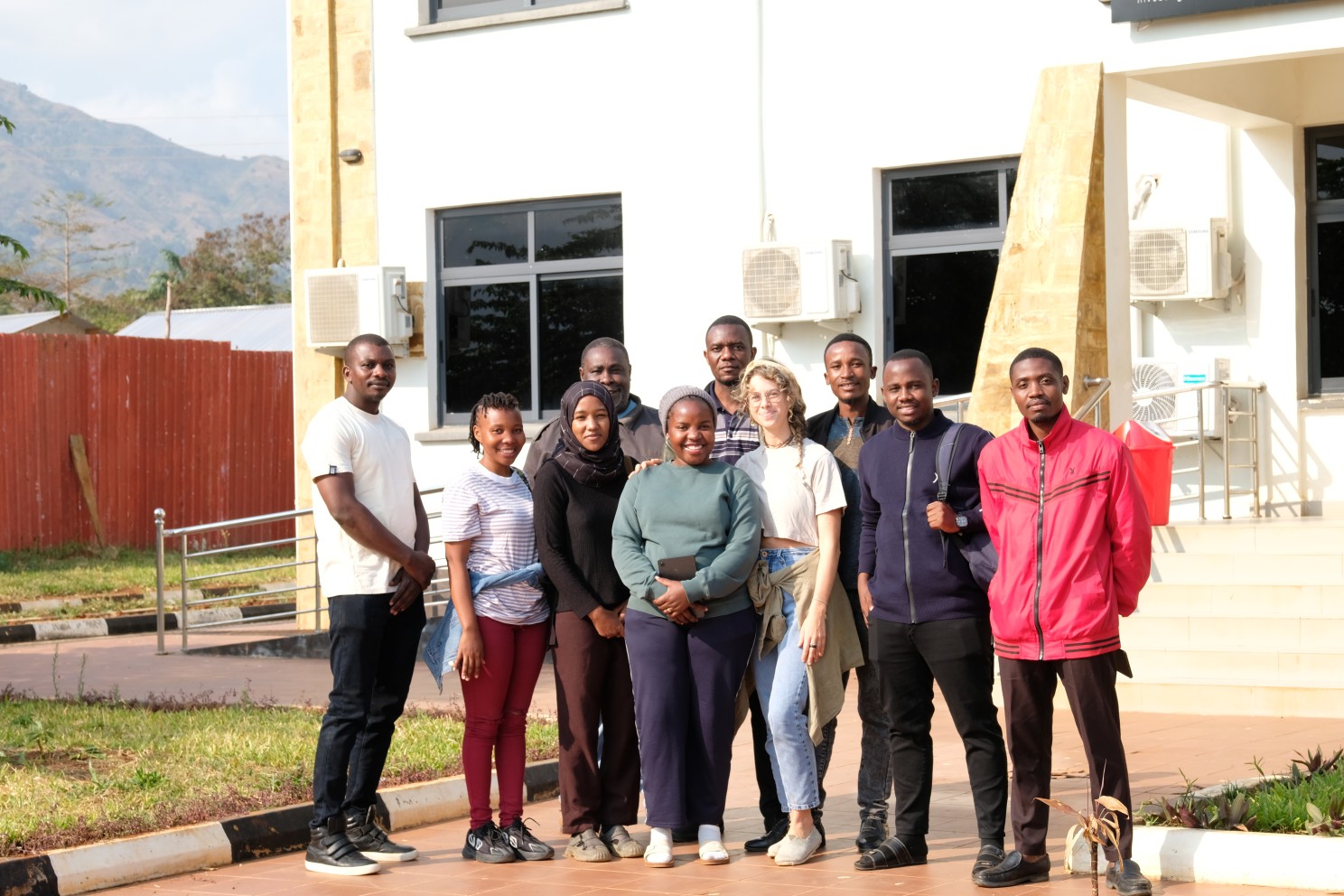
NOVA and SOKONIE University teams during training and survey preparation in Morogoro, Tanzania
Call for Abstracts – RESTOREID Session at the World Biodiversity Forum 2026
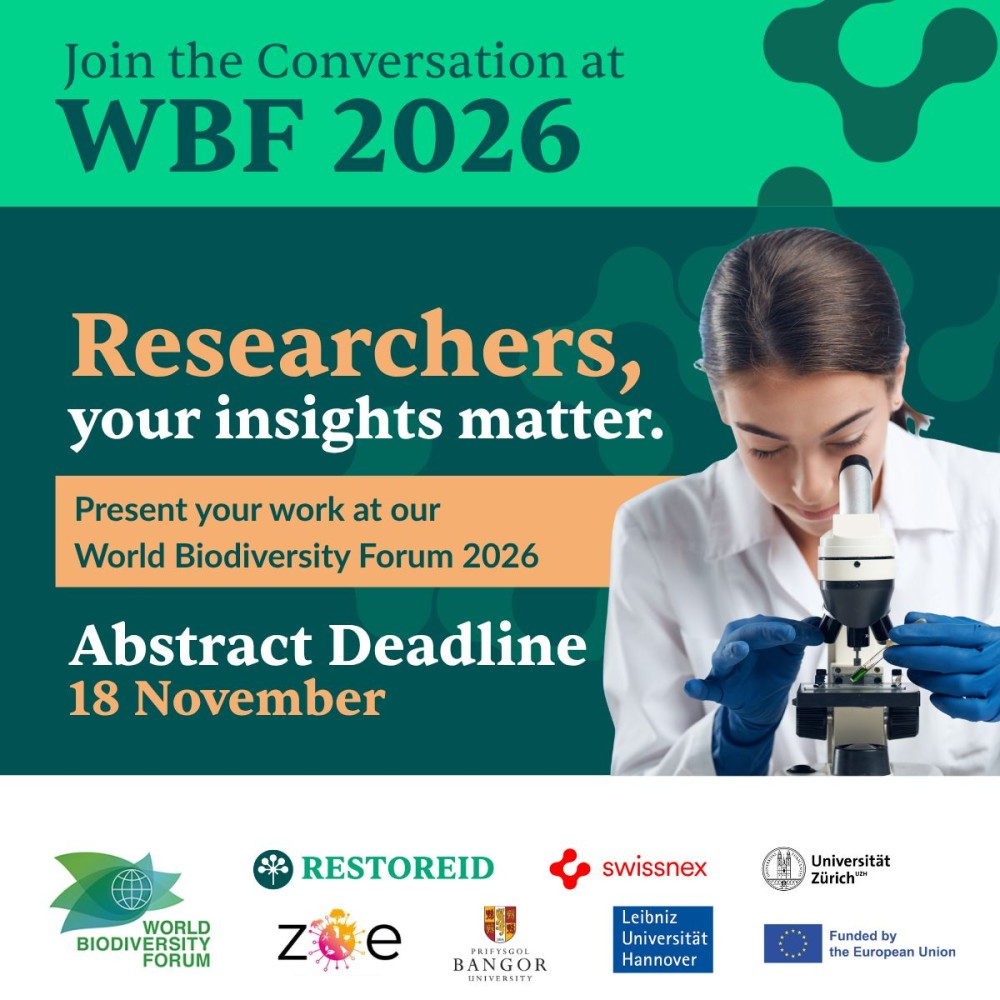
Deadline extended to 3 December!
We’re excited to announce that RESTOREID will host a dedicated session at the World Biodiversity Forum 2026 in Davos: “Ecosystem Change and Disease Spillover: Risks and Opportunities for Planetary Health”.
💡 We’re looking for bold, interdisciplinary contributions that rethink how restoration can support both ecosystems and communities.
Submit your abstract by 3 December 2025 👉 https://lnkd.in/dAe-uymw
The session is co-organised with ZOE Project Horizon Europe Swissnex in India, Consulate General of Switzerland Bangor University University of Zurich Leibniz Universität Hannover
What’s Next? Fieldwork Around the World
In our next edition, we’ll take you on a journey to our field sites across Africa and Europe, from the lush landscapes of Scotland to the forests of the Congo, to show how our teams are turning science into action.
Until then, keep up with us on social media for bite-sized science, restoration trivia, and stories that will make you see nature in a whole new light.
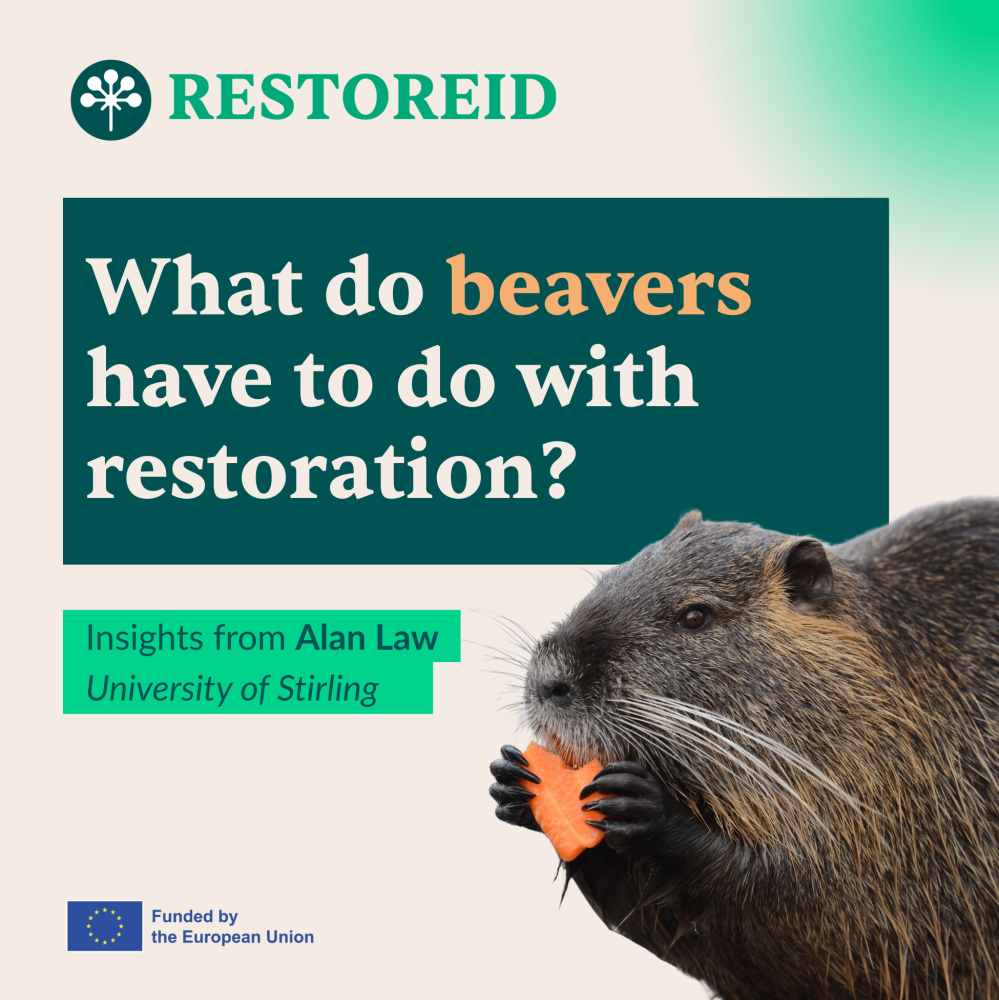
Follow us on LinkedIn, BlueSky, and X, where we answer vital questions like: “What do beavers have to do with restoration?” or 🐐 “How did goats nearly destroy the Galápagos?”
Stay curious, The RESTOREID Team 🌿